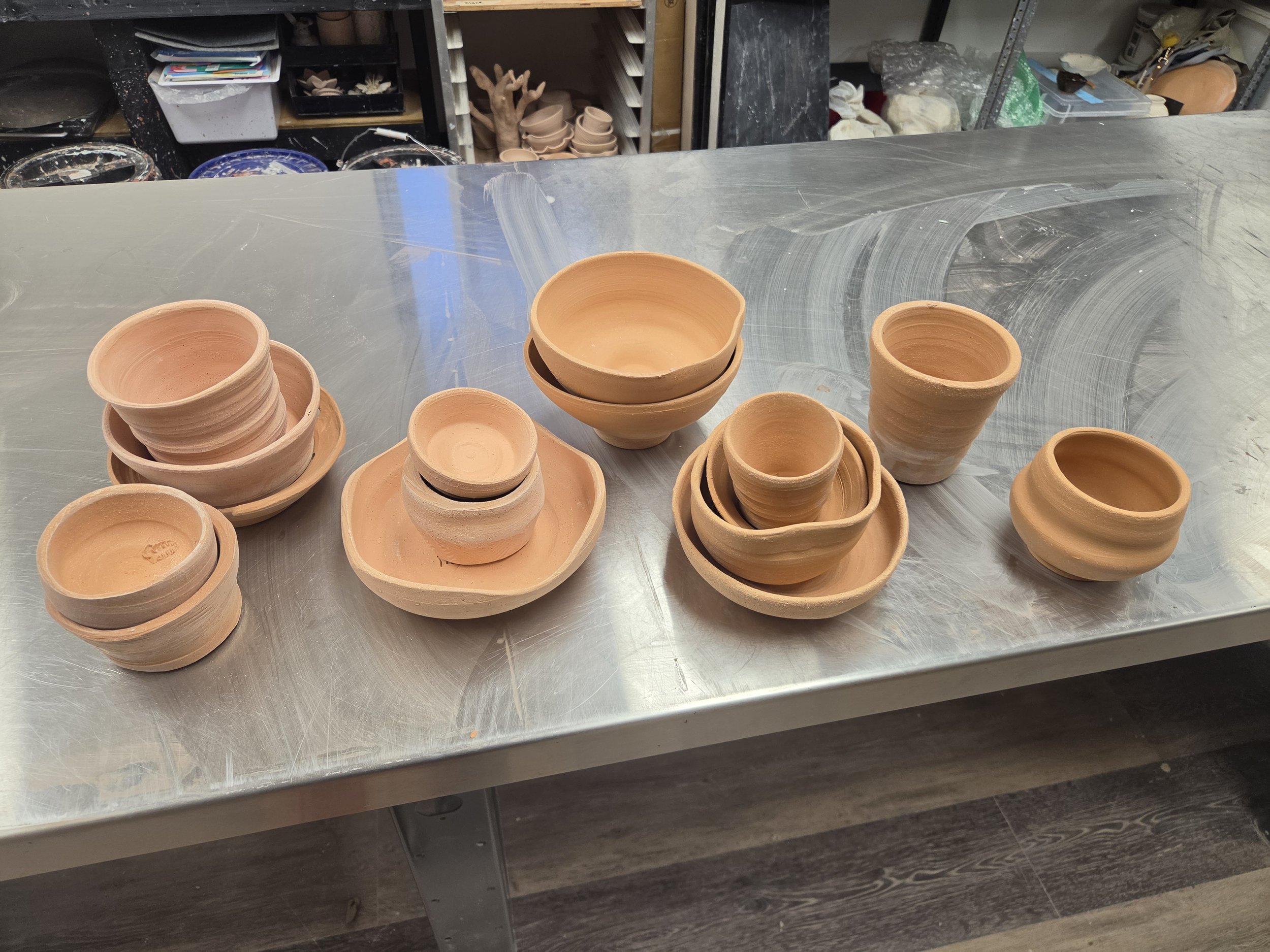
I recently started to take a pottery class, specifically wheel throwing. For months, I’ve been making wobbly cylinders and bowls; I’ve had 2.5-hour classes where I’ve managed to make absolutely nothing. While frustrating, I knew it would be fine; I knew I wouldn’t quit or have a poor attitude about it. I was learning something new, a skill that takes people years to master. More importantly, I knew that struggling through the basics would make me better in the long term.
The pottery teacher came around and gave me a pep talk, and I told him, “I’m good; it’s part of the process.” And I mean that. Years of designing professionally, of playing sports, and working in corporate environments - nothing good is built in a day.
A few classes later, when my wobbly bowls started to look a bit straighter, we were talking about the process, and I told him and the few people around the table about a mantra I'd been telling myself.
“What a privilege it is to be bad at something.”
I mean that with my whole heart; I’m so full of gratitude for all the failures of class, all the times I created a crumpled mess; I learned from those losses. The learnings aren't a grand metaphor either; it’s a physical cause-and-effect of how the pottery works. It’s not enough to tell me or to watch a video of how to center clay; I need to physically feel the difference between centered and not.
This lesson makes me reflect on how far I’ve grown since the early days of my design career, when I was paralyzed by fear of making a mistake. It only made me a worse designer, a scared coworker, and stalled my growth as an employee. I remember not really knowing when to speak up, how to ask questions, and holding back design variations because I didn’t think they were good enough.
I didn’t get good at asking questions until I asked more than a few mediocre and even bad questions. I didn’t get better at design until managers were willing to critique UX designs and prototypes. My presentations improved when I struggled through complicated feedback and revisions until I understood how to tell the story better.
This growth wasn’t an accident and didn’t happen in a vacuum; I had incredible managers and peers, particularly at Verizon, who made space for these conversations. They allowed mistakes, afforded room for edits, and encouraged new ideas throughout the design process. It’s akin to the physical growth of learning pottery: the process of thinking through edits and revisions rewires your brain and creates a shared understanding of why the design works.
I fear that with AI, there is an expectation of no more spelling errors, no more mistakes, fewer variations on a design concept, and less room for error. There is no more room to grow. As we bring AI into our design workflows, this room to mold and shape the design together disappears. The AI will write the content, the design system will make sure it’s on brand, and the UX will be crafted from the generated product requirements.
What if we used that saved time to critique more, not less?
This practice, known as critique (or crit for short), is standard in art school. Crit creates taste, reveals intention, creates shared values, and refines potential. It’s a language you and your team build over time.
Allow your junior designers to make a spelling mistake, show up with more than 3 options, or go off-brand on purpose. Encourage it. Giving your peers space to be bad and being generous enough to provide feedback makes you and them better designers, presenters, writers, and overall better humans.